
A Homeowner's Guide to Solar Panels in British Weather
Does weather really affect solar panels? From rain and snow to heat, find out more in our homeowners' guide to solar panels in British weather
You may have wondered at some point or another how well solar panels cope with our famously unpredictable British weather. After all, we do tend to get a bit of everything here: sunshine, drizzle, hail, heavy rain, strong winds, and the occasional flurry of snow. The good news is that modern solar panels are designed to handle a wide range of weather conditions. So, while different types of weather may affect how much electricity your panels generate, most won’t cause any lasting problems.
Let’s take a look at what the weather actually means for your solar panels.
How Different Weather Conditions Affect Solar Panels
The UK isn’t exactly known for extreme weather, but our solar panels still need to cope with plenty of changing conditions. From heatwaves, heavy rain, hail, snow, high winds, to thunderstorms, these can all have an impact on generation, but not usually in the way you might expect.
It may surprise you that even an ordinary sunny day isn’t necessarily when your panels will produce the most electricity. Solar panels need daylight, rather than heat, to generate power, so weather conditions can make a difference to their performance.
Do Solar Panels Work During a Heatwave?
It may seem pretty logical that hotter weather would undoubtedly mean more solar energy, but that’s not quite how it works. As we mentioned above, solar panels need daylight to generate electricity, not heat. So, while a sunny summer’s day is great for solar generation, extremely hot temperatures don’t necessarily mean maximum output.
Thinking about solar for your home? Book a free solar consultation with us today and we can help you understand how much energy your property could generate throughout the year.
What Happens to Solar Panels in Heavy Rain?
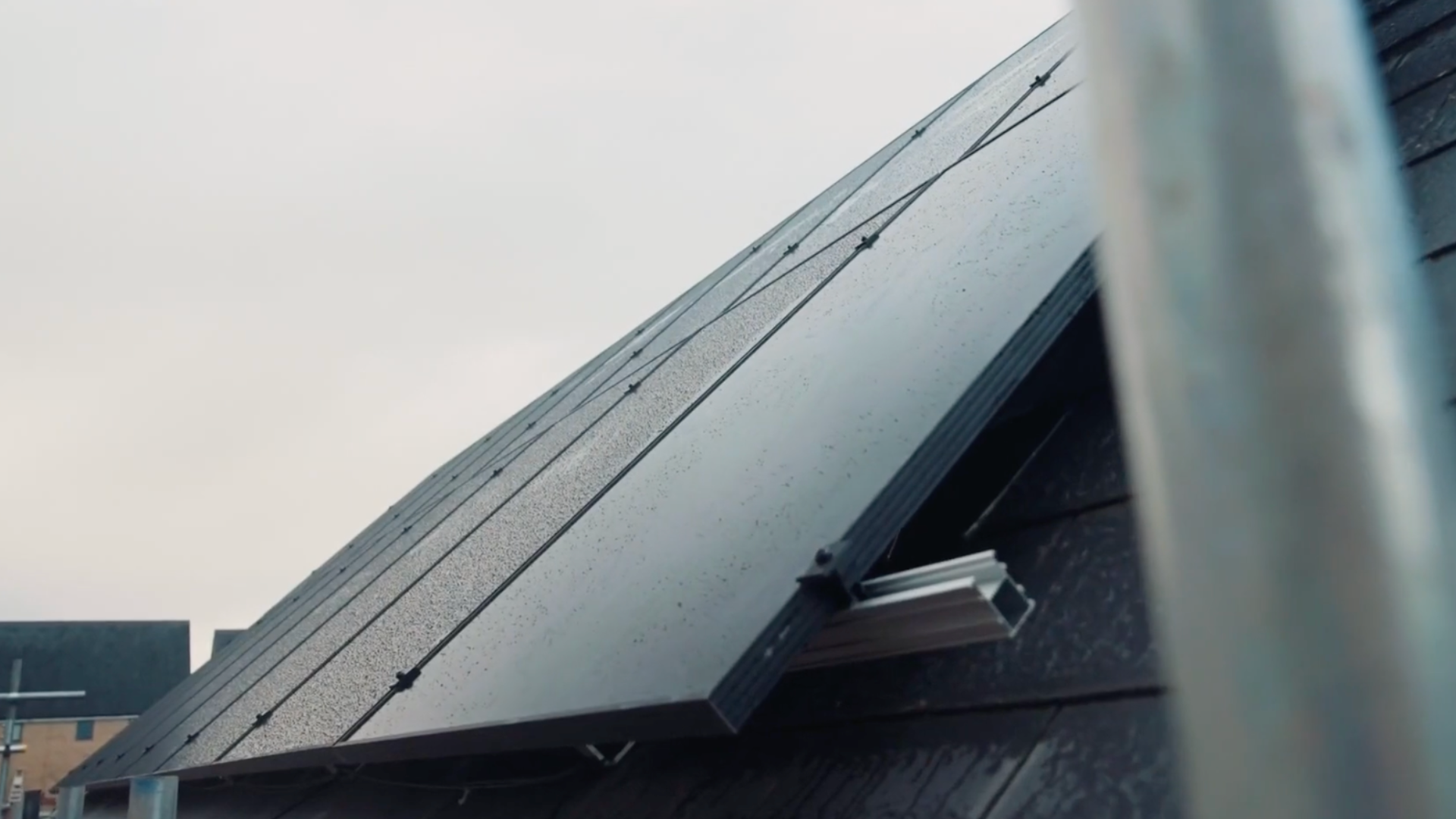
Rain itself isn’t a problem for properly installed solar panels. They’re designed to be outdoors and are built to withstand wet weather. In fact, a bit of rain can actually be quite helpful. It naturally washes away dust, pollen and other buildup from the surface of the panels, helping to keep them nice and clean. Our panels are built with a dual-layered coating which helps to keep your panels clean, too.
The bigger factor is the cloud cover that often comes with rainy weather. Thick clouds can reduce the amount of light reaching your panels, so electricity generation may temporarily drop. However, your solar panels will still generate electricity on overcast days, just at a slightly lower output than they would when the sun is shining.
Can Snow Damage Solar Panels?
Thankfully, in the UK, we don’t tend to get a lot of snow. When it does arrive, though, you might wonder whether your panels are going to cope. Generally, snow will temporarily block sunlight and reduce generation, but it won’t damage a properly installed system.
Solar panels have a smooth glass surface and are normally installed at a tilted angle, which means snow will often just slide off the panels, and as the panels receive sunlight, they can also warm up slightly, helping the snow to melt. Don’t climb onto your roof to clear snow from your panels yourself. In most cases, the natural sunlight and changing weather will take care of it.
If you’d like to find out how solar could work for your home, book your free solar consultation with us.
Can Strong Winds or Storms Damage Solar Panels?
Strong winds and storms can sometimes sound worrying when you’ve got solar panels on your rooftop, but properly installed solar panels are designed to withstand high wind speeds.
If a particularly severe storm has passed through, it can be worth just keeping an eye on your system. Monitor your solar generation and look out for visible debris. If something doesn’t look right, arrange a professional inspection rather than getting up on the roof yourself.
How Can You Get the Most from Your Solar Panels?
As we all know, we can’t control the weather, but you can make sure your solar system is set up to make the most of it. A properly designed system from SKYGLO will take factors such as your roof orientation, pitch, shading and local conditions into account.
And remember, solar panels don’t need bright, hot sunshine to work. They’ll generate electricity all year round, meaning your system can contribute to your energy needs no matter the weather.
So, Does Weather Affect Solar Panels?
It can, but probably less than you think.
Solar panels are designed and tested to cope with a range of weather conditions, including rain, wind, snow, hail and high temperatures. Industry testing standards help ensure panels can withstand the conditions they’re likely to encounter during their working life.
The weather will affect how much electricity your panels generate from day to day, but it doesn’t mean solar stops working as soon as the clouds appear. From a crisp winter morning to a bright summer afternoon, your panels can continue generating clean electricity in all sorts of weather.
Want to find out how much solar energy your home could generate? Get in touch with us to book your free solar consultation. We’ll help to find a solar solution that works for you and your home.