How Long Do Solar Panels Last? A Guide To Solar Panel Lifespan
A properly installed Tier-1 solar panel will still be producing at least 80 to 85 percent of its original output after 25 years and will keep generating for years beyond that. Here is how panel degradation, warranties and lifetime really work.
If you’re thinking about installing a solar panel system on your rooftop, one of the first questions you’re probably asking is: how long do solar panels last?
After all, solar panels aren’t exactly an impulse purchase. You’re investing in your home, so it’s only natural to want to know how many years you’ll get out of them.
The good news? Solar panels are built to last. In fact, solar panels generate electricity for 25 to 30 years or more. And no, that doesn’t mean they suddenly switch off or stop working after 30 years.
Like most things, solar panels do gradually become less efficient as they move past their peak efficiency. But with our good-quality systems and professional installation, you can expect decades of renewable energy generation from your system.
So, let’s take a closer look at the lifespan of solar panels and what you can do to get the most from your investment.
How Long Do Solar Panels Last?
Most solar panels have an expected lifespan of around 25-30 years, although as we mentioned above, they can continue to generate electricity beyond this point.
One of the easiest ways to understand this is through a solar panel’s performance warranty. It’s fairly common for manufacturers to offer warranties that guarantee the panels will still produce a certain percentage of their original power output after 25 years. Solar panels don’t typically just stop working one day; instead, their electricity production gradually decreases over time. This is known as ‘solar panel degradation.’
For example, a panel that produces 100% of its original output when it’s brand new might produce slightly less as the years go by. Even after 25 years, however, it can still be producing a significant amount of electricity, normally dropping to around 85% output by year 25.
To put it another way, your solar panels are more likely to slowly fade into retirement rather than suddenly stop working one day.
Why Do Solar Panels Degrade Over Time?
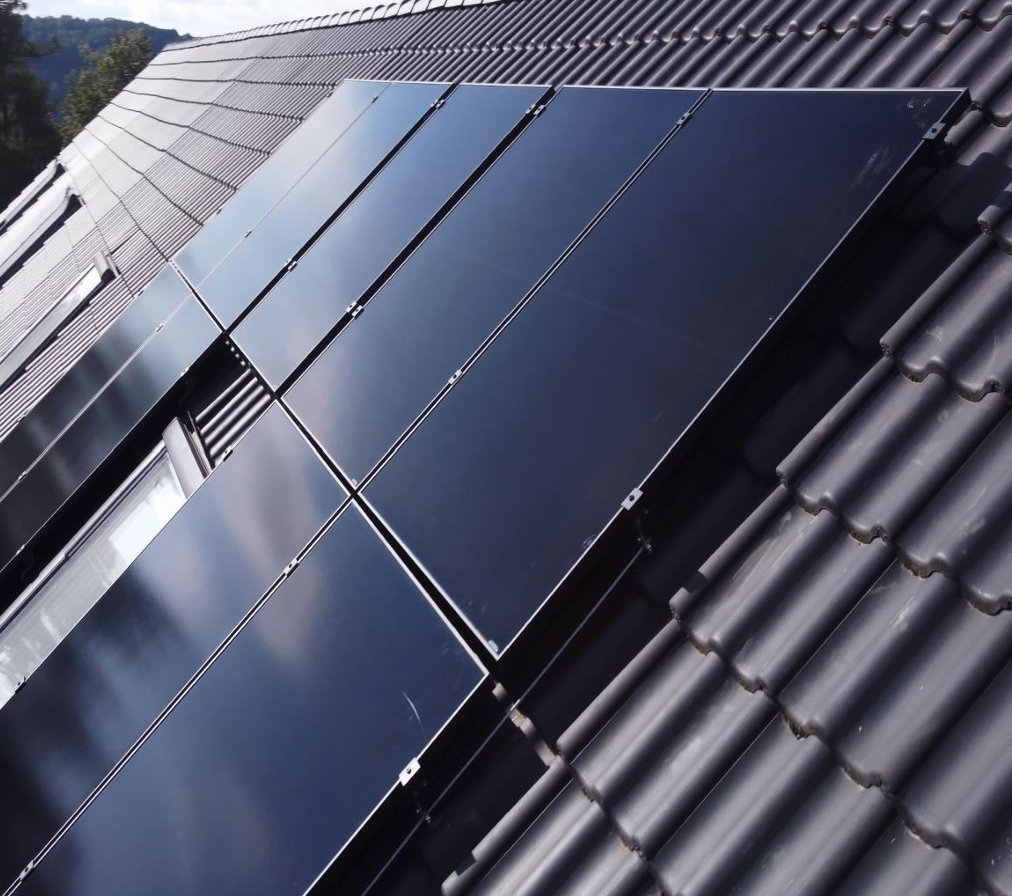
Solar panels spend their lives on your rooftop exposed to the elements. Rain, wind, sunlight, temperature changes and the occasional bit of British weather all take their toll eventually. The main cause of panel degradation is long-term exposure to sunlight and changing environmental conditions. Over the course of 30 or so years, this can affect the materials within the panels, and therefore slightly reduce their ability to convert daylight into electricity.
Modern solar panels are designed with this in mind, and therefore have relatively low degradation rates. The exact rate will of course depend on the type and quality of the panel.
The most important thing to remember is that degradation is completely normal, and it doesn’t necessarily mean there is something wrong with your solar panel system.
Our sleek, highly efficient Tier 1 solar panels are made from quality materials, meaning you can rest assured that your system will generate electricity for decades. Book your free solar consultation today and start your journey towards a greener home.
What Affects the Lifespan of Solar Panels?
While solar panels are designed to be durable, there are a few factors that make a difference to how well they continue to perform over the years.
The quality of the panels
Not all solar panels are built of the same materials. Choosing high-quality panels from a reputable manufacturer can make a real difference to long-term reliability and performance. It’s worth looking beyond the cheapest quote. As a solar panel system is a long-term investment, it’s worth choosing the best one for your property, not just the cheapest option. After all, the equipment you choose could be sitting on your roof for decades.
The quality of the installation
Even the best solar panels need a good installation. A professional installation helps ensure your panels are securely and properly mounted, and that the electrical connections, wiring and other components are installed correctly. A poor installation can lead to problems that may affect the performance and longevity of your system.
The weather
Okay, we hear you. The UK’s weather isn’t always the best, but solar panels are designed to cope with it.
Rain, wind, cold temperatures and even snow (you heard us) are all part of the deal. Quality panels are built to withstand outdoor conditions and continue generating electricity in a wide range of weather.
And yes, solar panels still generate electricity on cloudy days. They don’t need bright sunshine every day, although we’re sure they wouldn’t complain about having a bit more of it.
Maintenance
One of the great things about solar panels is that they are typically low maintenance. You don’t need to be spending your weekends cleaning your panels. In many cases, rainfall helps keep panels reasonably clean.
However, it’s still a good idea to keep an eye on your system and monitor its performance. If you notice a sudden or unexpected drop in electricity generation, it could be worth getting your system checked.
Our Tier 1 solar panels are installed by our qualified install teams, meaning your system will be fitted with the highest attention to detail. Book your free solar consultation to get started.
How Can You Make Your Solar Panels Last Longer?
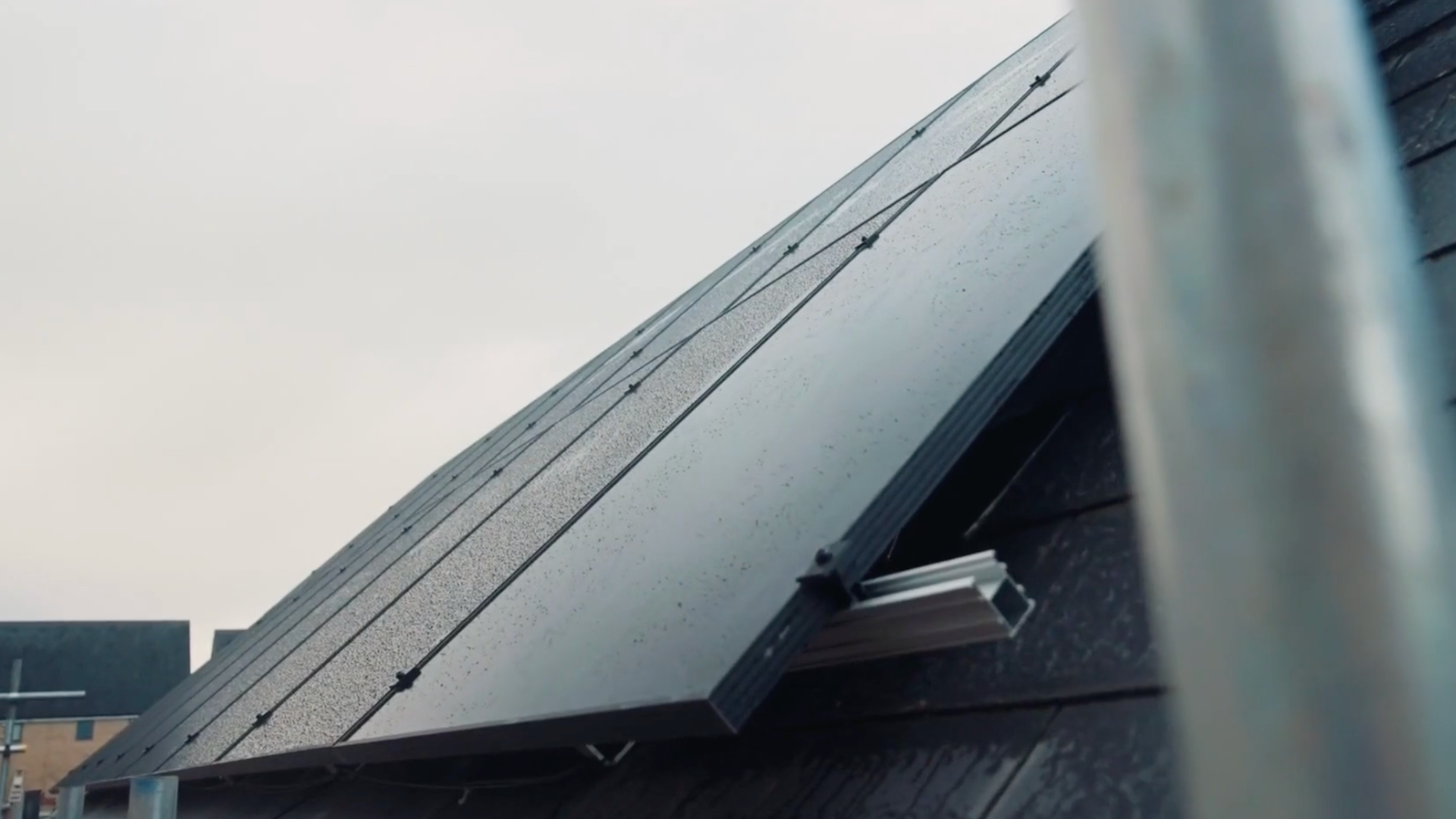
The best way to maximise the lifespan of your solar panels is to start with a good foundation.
Choosing quality equipment, using a reputable solar installer and ensuring your system is designed properly for your home and energy needs are all vital to a successful installation.
Once your system is up and running, keeping an eye on its performance, whilst also monitoring your solar energy production, can help you spot any potential issues early.
It’s also worth keeping the panels free from excessive dirt, leaves and debris where necessary. Most systems won’t require a lot of cleaning, but if something is noticeably blocking the panels, it can affect their performance.
Regular checks and sensible maintenance can help you get the most out of your system for as long as possible.
Are Solar Panels Still Worth It After 30 Years?
In our opinion, one of the biggest advantages of solar panels is their long lifespan. After 25-30 years, your panels may not exactly perform at the same level they did on day one, but they can still be generating useful amounts of electricity. And that’s after potentially decades of helping to reduce your reliance on electricity from the grid.
When you consider the potential energy savings over the lifetime of a solar panel system, it’s easier to see why solar is considered a long-term investment rather than a quick fix. Of course, every home and every solar installation is different. The savings you could potentially make will depend on your electricity usage, system size, energy tariff, and whether you add battery storage.
The Bottom Line: So, How Long Do Solar Panels Last?
In the majority of cases, you can typically expect a quality solar panel system to last 25-30 years or more, with panels continuing to generate electricity beyond that point. The performance of your system will inevitably gradually decline over time, but they don’t simply stop working once they reach a certain age. The key to getting the most out of your solar panel investment is to choose a quality installation from a reputable company and have it professionally installed.
If you’re considering solar panels for your home, the best place to start is with a free, professional solar consultation. Because when you’re investing in solar, you’re not just buying panels for your roof. You’re investing in a system that’s designed to keep generating clean, renewable energy for decades.