
Is Solar Worth It in the UK? A Complete Guide
Even with the UK's famously unpredictable weather, solar panels remain a smart investment, generating electricity even on cloudy days. With the right system, most UK homes can cut their electricity bills significantly while reducing their carbon footprint.
In recent years, you’ve probably noticed more and more solar panels popping up on rooftops across the UK, and it’s easy to understand why. With energy prices rising and more homeowners searching for ways to reduce their monthly energy bills, solar power has become a popular choice for homeowners.
At the same time, the UK is pushing towards a more renewable and cleaner future. That leaves many of us asking a very reasonable question: is solar worth it in the UK?
The short answer is yes, for most homeowners. But how much you can save with your solar panel system, and how soon you can expect to see a return on your investment, is dependent on a few important factors.
Can Solar Panels Work in the UK?
One of the biggest myths about solar panels is that they only work when the sun is shining. After all, the UK isn’t exactly known for its good weather. However, the good news is that solar panels don’t need bright sunshine to generate electricity. If you’re asking yourself, ‘Do solar panels work in winter?’ The answer is yes. All they need is daylight, meaning they can still produce energy even on cloudy and overcast days, and even in our typical drizzly weather.
Of course, solar panels will generate more electricity on a bright and sunny day. However, the UK’s long summer days provide plenty of daylight hours for solar generation, and modern panels are cleverly designed to make the most of the available light.
So, while the UK’s weather is far from perfect, it’s definitely not a reason to rule solar out.
Ready to see if solar is right for your home?
Fill in our quick form to book your free solar consultation. No obligation, just expert advice.
How Much Money Can Solar Panels Save?
One of the biggest reasons why many homeowners choose solar is simple: lower energy bills.
When your solar panels generate electricity, you can use that energy to power your home instead of buying as much electricity from your energy supplier. The more of your own electricity you produce and use, the less you need to rely on the grid.
How much you save will of course vary from household to household. Your roof size and the size of your solar system will affect how much electricity you can generate, while your household’s energy usage determines how much of that energy you can use yourself.
Battery storage can also make a difference. Instead of sending unused solar energy back to the grid, a battery can store it for later, allowing you to use more of your own renewable electricity when your panels aren’t generating.
How Long Do Solar Panels Take to Pay Back?
A common question that homeowners typically ask is how long it will take for their solar panels to pay for themselves.
The regular payback period can differ significantly depending on the cost of your installation, your energy consumption, the size of your system, and future electricity prices. For many UK homeowners, though, solar panels are a long-term investment rather than a quick win.
Modern solar panels are built to last for decades, and often continue to generate electricity for 30 years or more. This means that once you have reached your payback point, you could continue to benefit from lower energy bills for many years and be less exposed to rising energy costs.
Are Solar Panels Good For the Environment?
When it comes to your solar installation, it’s not all about saving money (although it’s certainly a perk). Solar panels can also help reduce your household’s impact on the environment.
Solar energy is renewable, meaning it comes from a natural source that isn’t depleted when used. By generating your own electricity from the sun, you can reduce your reliance on electricity generated from fossil fuels and help lower your carbon footprint.
If you’re looking to make your property more sustainable, solar panels are one of the most practical steps you can take towards using cleaner energy at home.
What Factors Affect Whether Solar is Worth It?
Not every property is equally suited to solar, so it’s definitely worth considering a few key factors before making a decision.
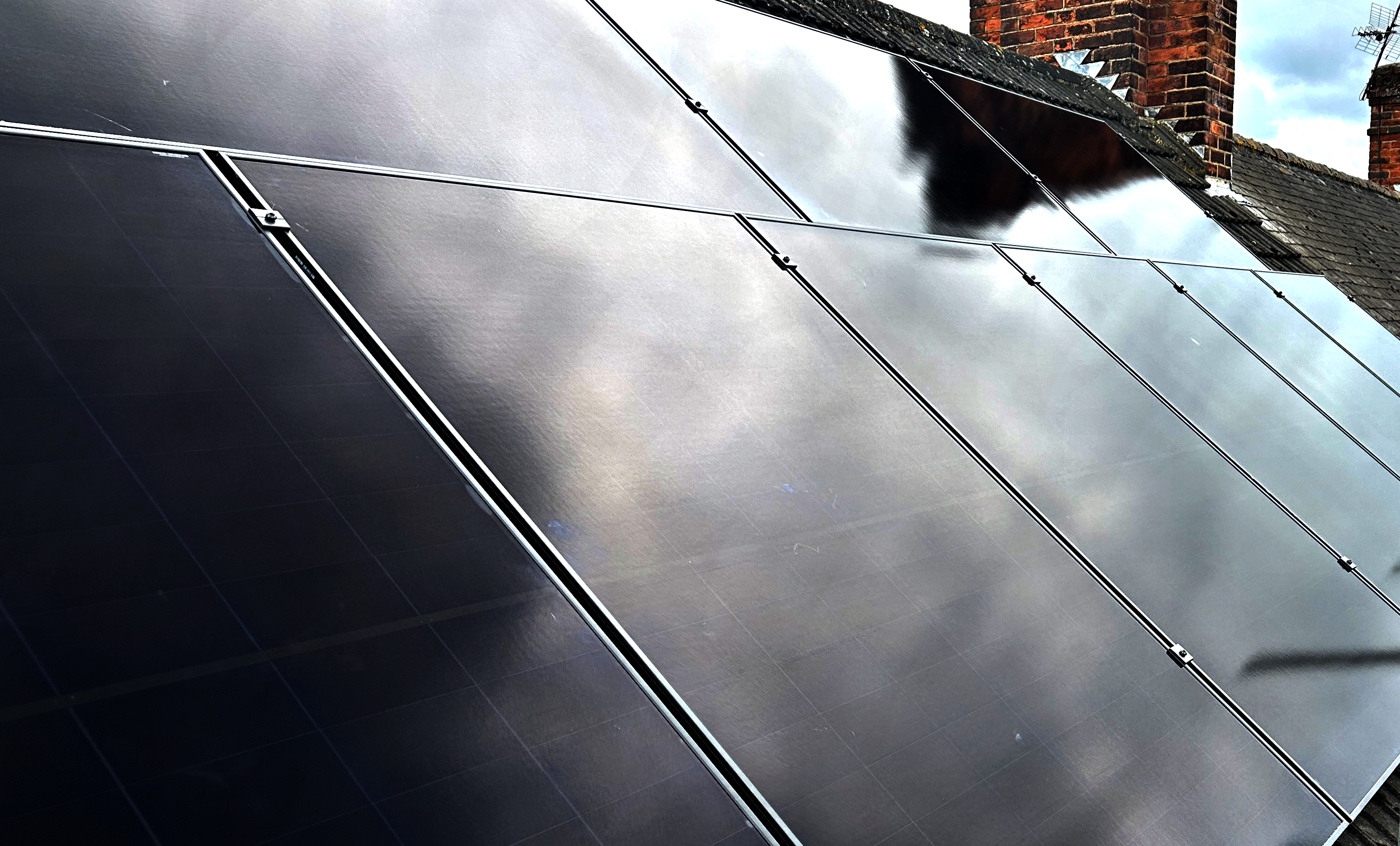
A south-facing roof is often considered ideal, but east and west-facing roofs can still work perfectly well. How much shade your roof receives is also important, as trees, chimneys and nearby buildings can reduce solar generation.
How much energy your household uses also matters. If you’re at home during the day and regularly use appliances while your panels are generating electricity, you may be able to use more of your solar power directly. If you work from home, or you’re around the house during the day, you’re naturally more likely to be using your appliances while the sun’s out and your panels are producing at their best. The same goes for anyone charging an electric vehicle during daylight hours. This means you’ll be using your own generated solar power in real time rather than paying for electricity from the grid later on.
The quality of your solar installation is another important consideration. Our experienced installers and our properly designed systems make a real difference to the long-term performance of your system. Book your free solar consultation with SkyGlo and take your first step towards a greener future.
Should You Add Battery Storage To Your Solar System?
When it comes to adding a solar battery, we'd strongly recommend one to get the most out of your solar system.
Your panels generate the most electricity during daylight hours, while many households use more energy in the evenings. Without a battery, you're missing out on a significant share of the value your panels can offer. A battery lets you store the excess electricity you generate during the day and use it in the evening or later, when your panels aren't producing. This means buying far less electricity from the grid and maximising your savings. It also gives you greater energy independence and more control over where your electricity comes from.
For most households, pairing solar panels with a battery is the best way to make the most of your system and get the strongest return on your investment. The right size and setup will depend on your energy usage, solar system and budget, but we'd encourage you to factor a battery into your plans from the outset.
So, Is Solar Worth It in the UK?
For most homeowners, solar panels can be a worthwhile long-term investment.
So if you’re asking yourself ‘Is solar worth it for my home?’ A solar installation can help to reduce your electricity bills, provide greater independence from energy suppliers and allow you to generate your own renewable energy. While the upfront cost is an important consideration, the combination of financial savings, environmental benefits and long-term energy security makes solar an attractive option for many households.
The best way to find out whether solar is right for your home is to look at your specific property, energy usage and potential system size.
Looking to find out how much you can save? Book your free solar consultation today.