
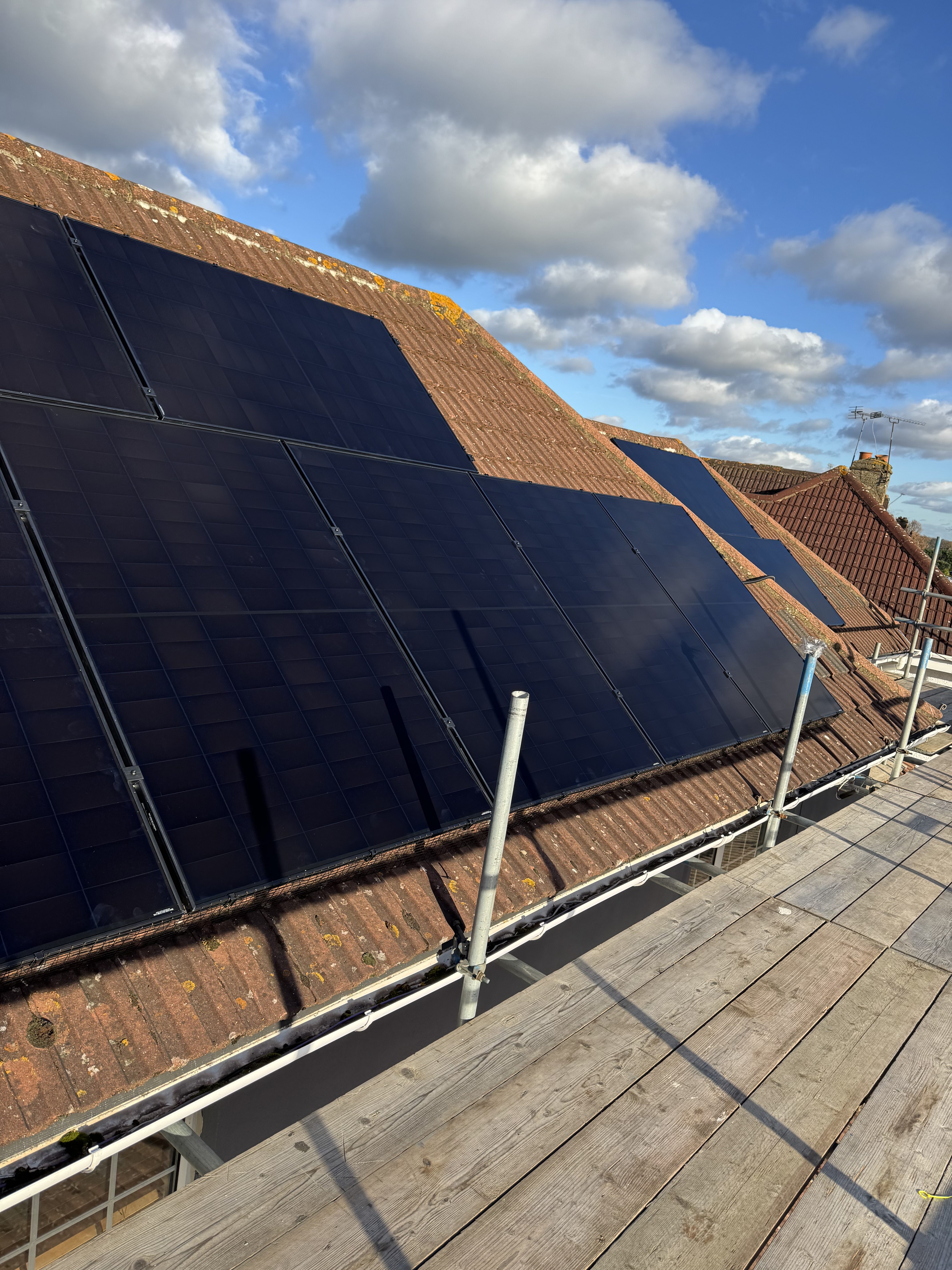
Solar Panels 101: How Solar Energy Works
Discover how solar energy works, how solar panels generate electricity, and why more homeowners are choosing solar power for their homes.
You’ve probably heard plenty about solar panels over the last few years, and seen them popping up on more and more rooftops. From rising energy bills to growing concerns about the environment, more homeowners are exploring whether solar energy is the right choice for them. But if you’re new to the world of solar and just starting your research, you might be wondering: how do solar panels work?
The good news is that how solar energy works is much simpler than you might think. In this guide, we’ll break it down into easy-to-understand steps, explain what makes up a solar power system, how solar panels generate electricity, and walk you through what to expect if you’re thinking about solar panel installation.
How Do Solar Panels Generate Electricity?
Let’s start with the basics.
Solar panels are designed to capture daylight and convert it into electricity that can power your home. As long as there’s daylight, your panels are hard at work generating energy from the sun.
Each panel is made up of photovoltaic (PV) cells, which absorb daylight throughout the day. When the daylight hits these cells, it creates a flow of electricity known as direct current (DC).
The only catch is that your home doesn’t use DC electricity. That’s where the inverter comes in. Because your home runs on alternating current (AC), that electricity passes through an inverter, which converts it into a form your appliances can use. From there, your washing machine, television, lighting, kettle and even your EV charger that powers your electric vehicle can all be powered by solar electricity.
It’s a clever process that’s happening quietly in the background every day, helping homeowners generate clean, renewable energy straight from their rooftops.
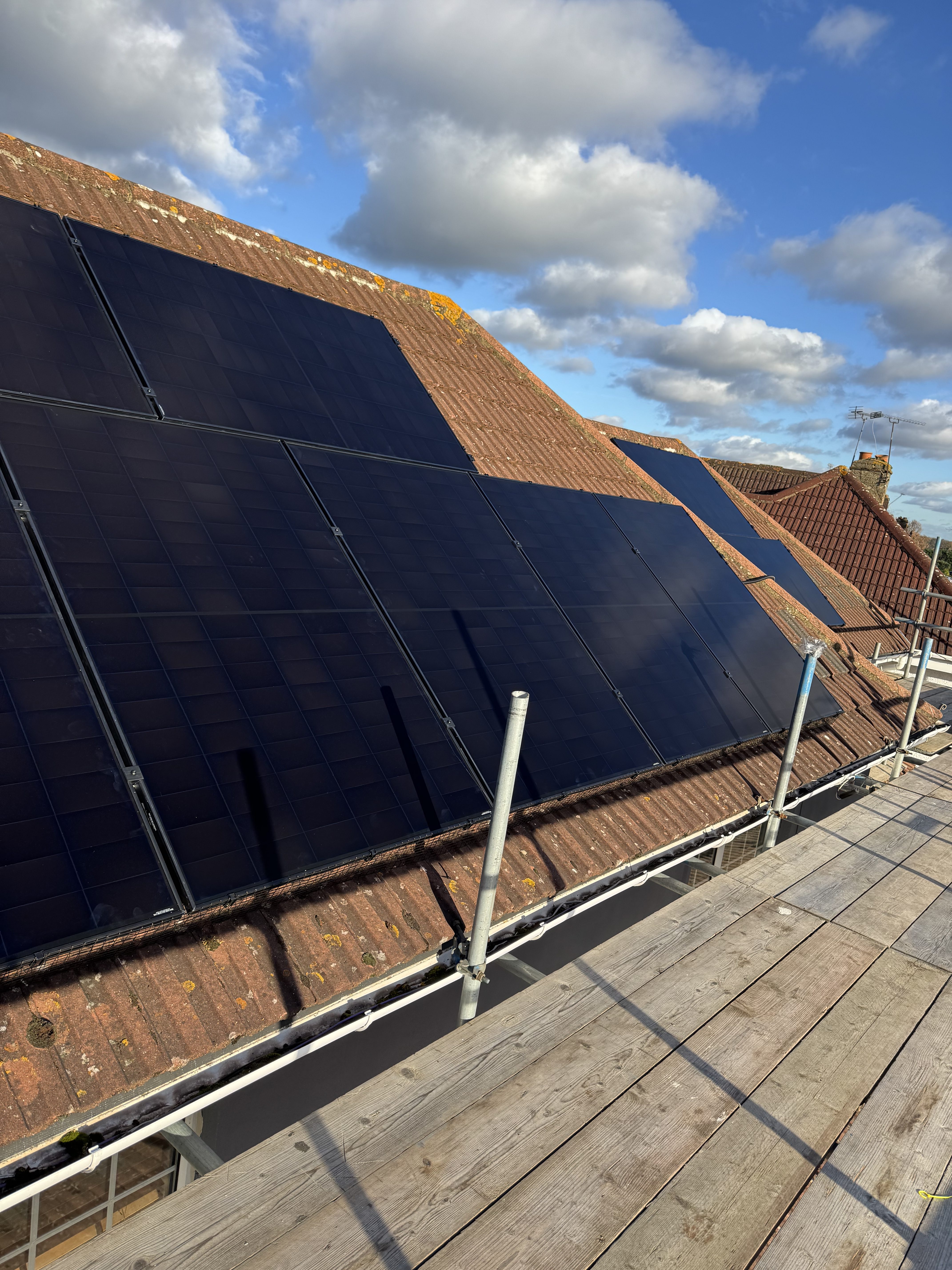
The Main Components of a Solar Panel System
While the solar panels often get all of the attention, they’re just one part of a complete solar panel system.
The panels collect daylight, while the inverter does the important job of converting the electricity into power your home can actually use. You’ll also have a mounting system that keeps everything securely in place, and electrical components that allow the whole system to work together safely and efficiently.
Many homeowners are also choosing to add battery storage alongside their panels. Instead of sending unused electricity back to the grid, a battery stores any extra power generated during the day so you can use it later in the evening when your panels aren’t generating as much power, meaning you don’t need to use electricity from the grid.
Together, each part plays an important role, working to help your home solar system produce as much energy as possible.
Ready to see if solar is right for your home?
Fill in our quick form to book your free solar consultation. No obligation, just expert advice.
What Happens to the Electricity Your Solar Panels Produce?
One of the most common questions people ask is what actually happens once their solar panels start generating electricity.
The answer is simple: your home uses that electricity first. So if your panels are producing enough power, your appliances will run using your own renewable energy instead of electricity from the grid.
If your system produces more electricity than you’re using at the time, the extra energy can often be stored in a battery. Depending on your energy tariff, any surplus electricity may also be exported back to the grid.
Then, overnight or on days when solar production is lower, your home simply draws any additional power it needs from the grid. The whole process is seamless and automatic, so you don’t have to think about switching between energy sources.
Why More Homeowners Are Choosing Solar Panels
It’s easy to see why solar panels have become such a popular choice for homeowners across the UK.
For many people, the biggest attraction is the opportunity to reduce energy bills. Generating your own electricity means you may need to buy less energy from your supplier, while giving you more control over your household’s energy use.
At the same time, you’re using a cleaner source of renewable energy, which can help lower your home’s carbon footprint.
Many homeowners also appreciate the added peace of mind that comes with producing some of their own electricity, especially when paired with battery storage. It’s a practical investment that not only supports a more sustainable future but can also add value to your home over time.
Take the first step today
Take the first step towards lower bills and cleaner energy. Complete our quick form to book your free solar consultation, and our team will help you find the best solar solution for your home.
What to Expect During a Solar Panel Installation
If you've been considering solar panel installation, you’ll be pleased to know the process is much more straightforward than people expect.
It all starts with a consultation to understand your home’s energy needs and assess whether your property is suitable for solar. This helps determine the best system for your home and your goals. From there, a system is designed specifically for your roof and your electricity usage.
Once everything is ready, our installers fit the panels and all the necessary equipment before carrying out thorough testing to make sure everything is working safely and efficiently.
The best part? You don’t have to figure it all out on your own. We’ll guide you through each step, helping you choose the right system and arranging the installation from start to finish.
Ready to Start Your Solar Journey?
Now that you know how solar energy works, it’s easy to see why so many homeowners are choosing to invest in solar panels. They’re a smart and practical way to generate clean electricity, reduce your energy bills and make your home more sustainable. And with modern systems becoming more efficient and accessible than ever, there’s never been a better time to explore your options.
If you’ve been thinking about making the switch, we’re here to help. Complete our simple form to arrange a free consultation. We’ll answer any questions you may have and guide you through the process from start to finish. Get in touch today and take the first step towards powering your home with solar.