Solar Panels vs Traditional Electricity
In this blog, we compare solar panels and traditional electricity. From cost comparison and environmental impact to the advantages of both.
With energy bills continuously on the rise, you’ve likely been wondering whether there’s a better alternative. Fluctuating energy prices and more homeowners looking for ways to reduce their environmental impact mean solar panels are quickly becoming an increasingly popular option in the UK.
But how do solar panels really compare to traditional electricity? Is the investment in solar worth it? What are the real differences between producing your own energy from your rooftop and relying on the National Grid? In this guide, we’ll compare solar panels and traditional electricity, and look at how they work, what they cost, and their environmental impact.
What are Solar Panels?
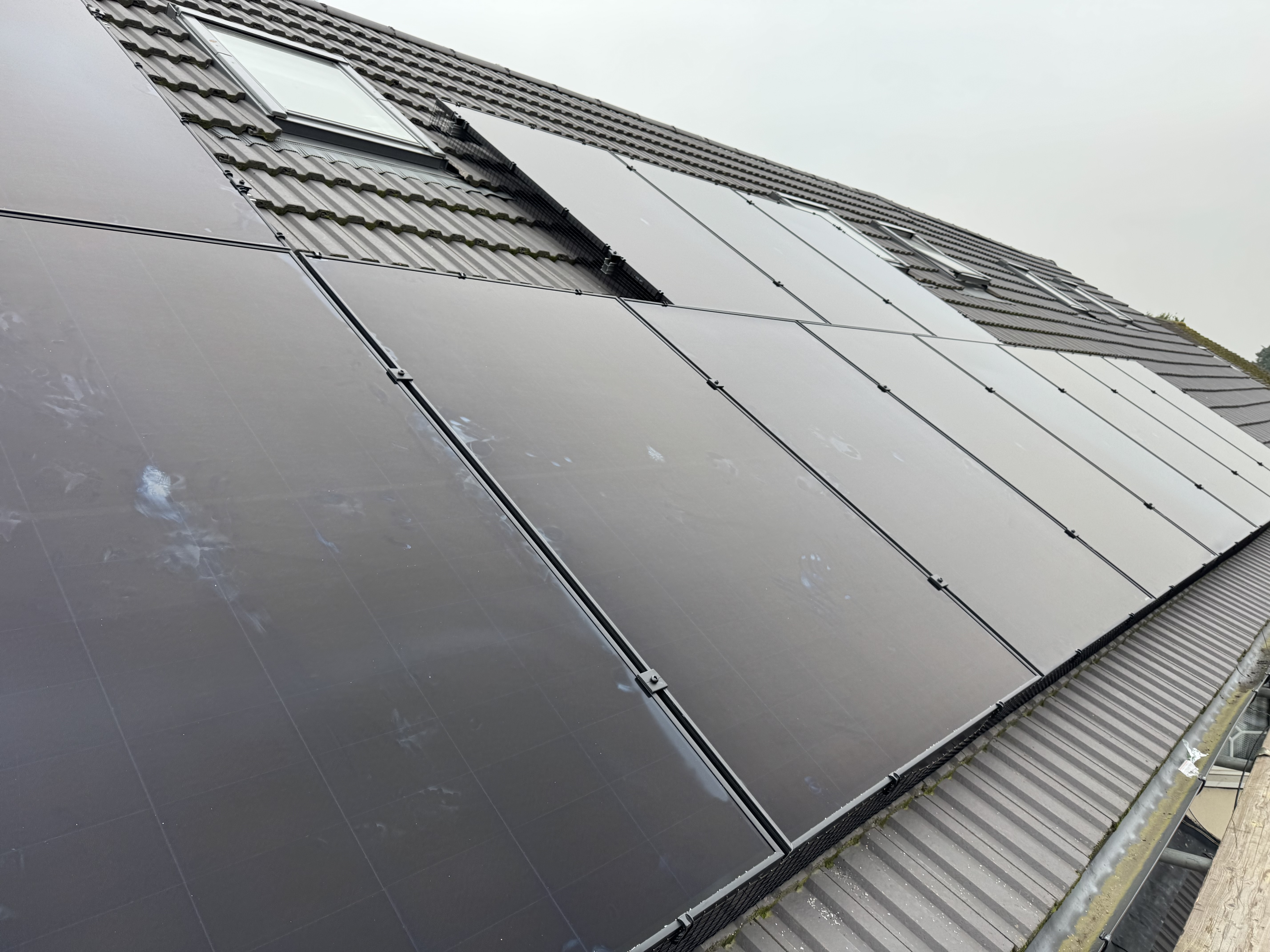
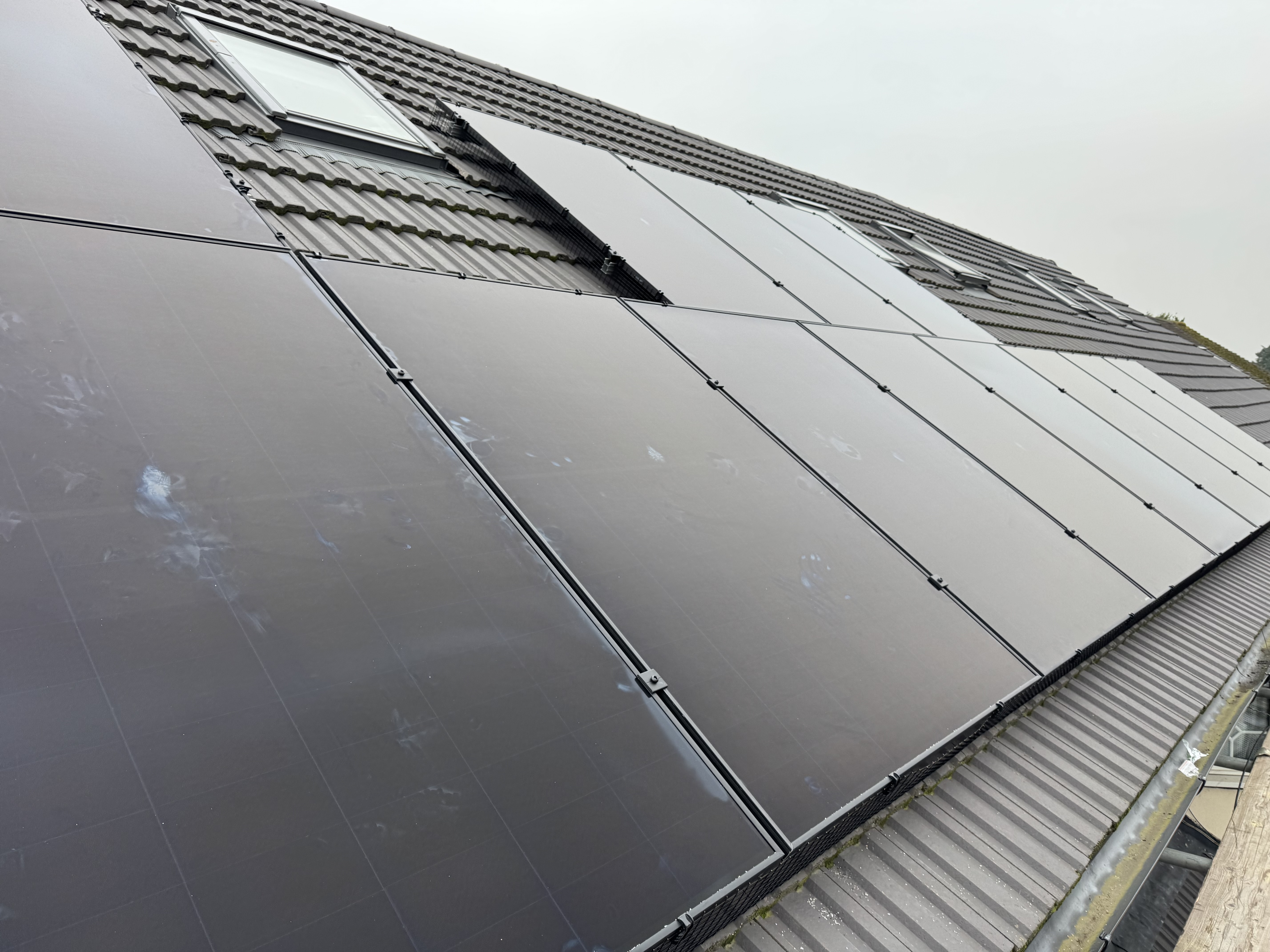
Let’s start with the basics. Solar panels capture daylight and convert it into usable electricity for your home. Using Photovoltaic (PV) cells, they generate electricity whenever daylight hits the panels. Although many people think so, they don’t actually need blazing sunshine to work; they’ll still produce energy on cloudy British days.
With the electricity your panels have generated, you can power your lights, appliances, and other electrical devices around your home. If your system produces more electricity than you’re using at the time, you may be able to export the surplus back to the grid, though this does depend on your tariff.
Solar energy is created right where it’s needed, unlike electricity from the grid. This means you’re producing your own renewable energy right from your rooftop rather than relying entirely on energy supplied by utility companies. Residential systems do vary depending on the property. Some homeowners may choose a standard solar PV system, while others may combine panels with battery storage, so they can keep excess electricity their panels produce throughout the day and use it during the evening or on particularly gloomy days.
What is Traditional Electricity?
Traditional electricity refers to the power supplied through the grid. This electricity comes from a mixture of different energy sources. These include: natural gas, nuclear power, renewable energy such as wind and solar farms, and imported electricity from neighbouring countries.
So, every time you switch on a light or boil the kettle to make a cuppa, you’re drawing electricity from this shared network. The advantage is the convenience. The electricity is available whenever you need it, and it doesn’t require any equipment to be installed on your property.
However, the cost of grid electricity depends on wholesale energy prices, network costs and supplier tariffs, all of which, as we all know too well, can change over time. As many households have experienced in recent years, this makes budgeting for energy bills a little unpredictable.
Cost Comparison: Solar Panels vs Grid Electricity
How you pay for your energy is often considered one of the biggest differences between solar panels and traditional electricity.
When it comes to traditional electricity, there are no installation costs. You simply pay your supplier for the electricity you use each month. While this does keep upfront costs low, it also means you’re continually exposed to rising electricity prices.
However, solar panels do require an initial investment, which includes the cost of the equipment and professional installation. Although this may seem significant at first, many homeowners find the long-term savings outweigh the upfront expense.
Once your system is installed, you’ll be generating much of your own electricity, reducing how much you need to buy from the grid. Over time, these savings can add up considerably. The return on investment depends on your home’s energy consumption, the orientation of your roof and the size of your solar panel system. For many households, solar panels provide meaningful savings over their lifespan, which is typically 25-30 years or more.
Did you know around 80% of our solar installations are completed within one day? That means minimal disruption, and your panels can be up and running and saving you money straight away. Book your free solar consultation with Skyglo today.
Environmental Impact
When households choose to install solar, the decision isn’t just about saving money (although it definitely plays a major part); it’s also about reducing their carbon footprint. While renewable energy now plays a much bigger role in powering homes across the UK than it once did, fossil fuels remain part of the overall energy mix.
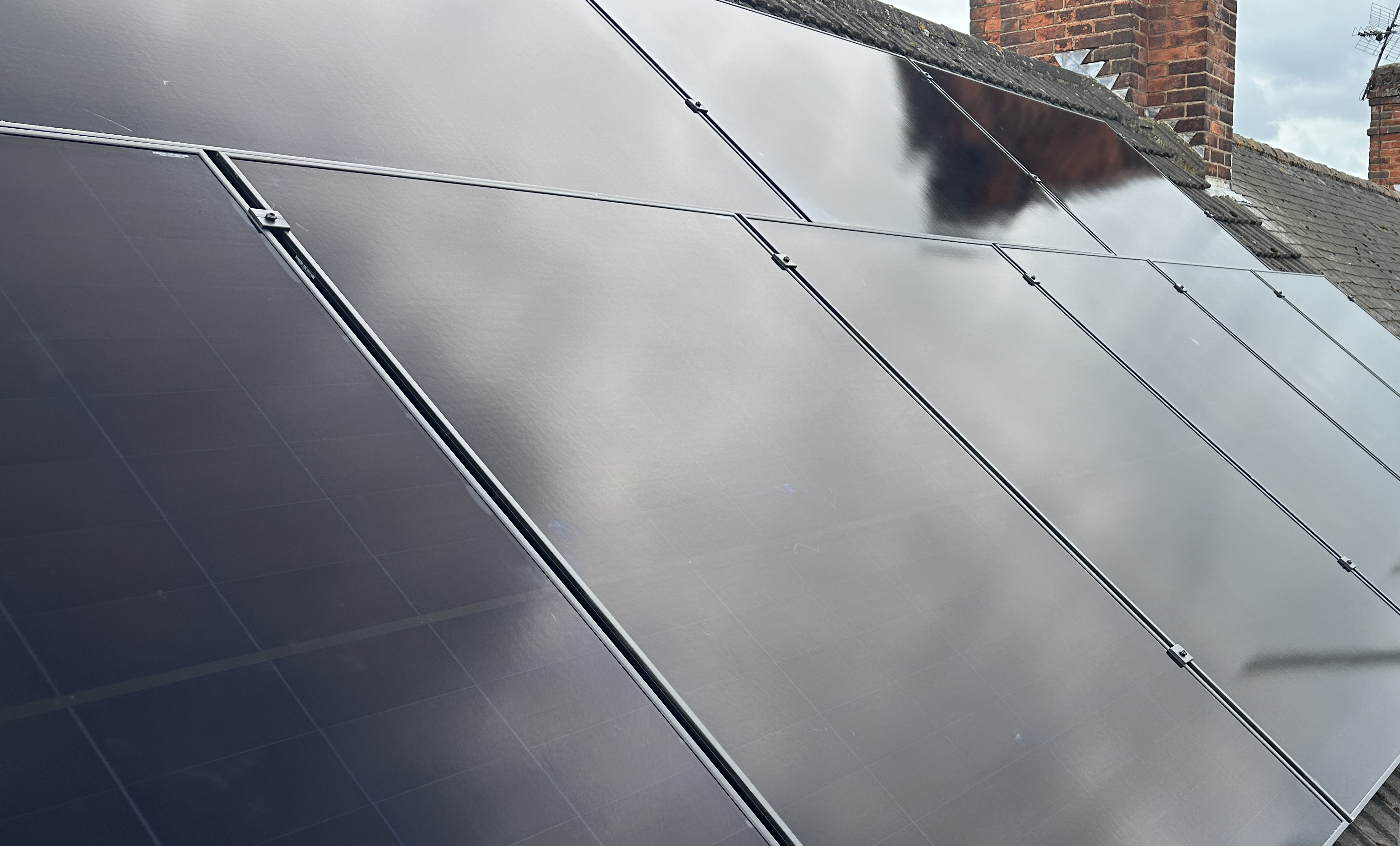
Solar panels generate clean, renewable electricity without producing emissions while they operate. When you generate your own power, you are reducing your household’s reliance on electricity generated by fossil fuels and lowering your carbon footprint.
It’s a simple change, and one that contributes towards a more sustainable future while helping to reduce demand on the wider electricity network.
Reliability and Energy Independence
When you generate your own electricity, you have greater control over your energy usage. While the majority of solar-powered homes do remain connected to the grid, they don’t have to rely on it quite as much. Because of this, you’ll be less affected by future energy price increases and supplier fluctuations. And if you add a battery storage system, you’re able to store excess electricity produced during the day and use it later, which in turn maximises the value of the energy your panels are generating.
Traditional electricity remains highly reliable and does ensure power is available when needed. Although homeowners remain dependent on suppliers, market prices and wider energy infrastructure.
Advantages of Solar Panels
Solar panels can significantly reduce electricity bills, generate clean renewable energy for your home, and help lower your household’s carbon footprint. They also have the ability to enhance your property’s appeal if you ever decide to sell, with solar panels seen as an attractive feature by many buyers in today's market.
Homeowners may also be able to benefit from financial incentives for generating renewable electricity, depending on the latest government schemes and export tariffs available.
Perhaps one of the biggest advantages is that solar panels continue to produce electricity year after year, helping you save money for decades after the installation has been completed.
Advantages of Traditional Electricity
There’s no denying that traditional electricity still has its place. For homeowners who rent their property, have shaded roofs, live in listed buildings where solar isn’t an option or simply aren’t able to install a solar panel system, grid electricity does remain the most practical solution.
There is also no upfront installation cost or maintenance to consider, making it a straightforward option for many households.
Potential Drawbacks of Both Options
Solar panels require an upfront investment, and not every roof is suitable for a system to be installed. Things like shading, available roof space and orientation all influence how much electricity the system can generate, and if it’s a practical option for your home.
Traditional electricity, meanwhile, leaves households vulnerable to rising energy prices and continued dependence on suppliers. The grid also still relies partly on energy sources that produce greenhouse gas emissions.
Which Option is Right For You?
When you compare solar panels with traditional electricity, the biggest differences come down to the long-term costs, the environmental impact and your energy independence.
The traditional route does offer convenience and requires no installation, but ongoing energy bills remain unavoidable and can continue to increase over time.
Solar panels do involve the initial investment, but they offer homeowners the opportunity to generate their own renewable electricity, reduce their monthly bills and lower their household’s carbon footprint for decades to come.
So, if you’re looking to make the switch, it’s worth assessing whether your property is suitable. Book a free professional solar consultation, and we can help you understand the potential savings for your home.