
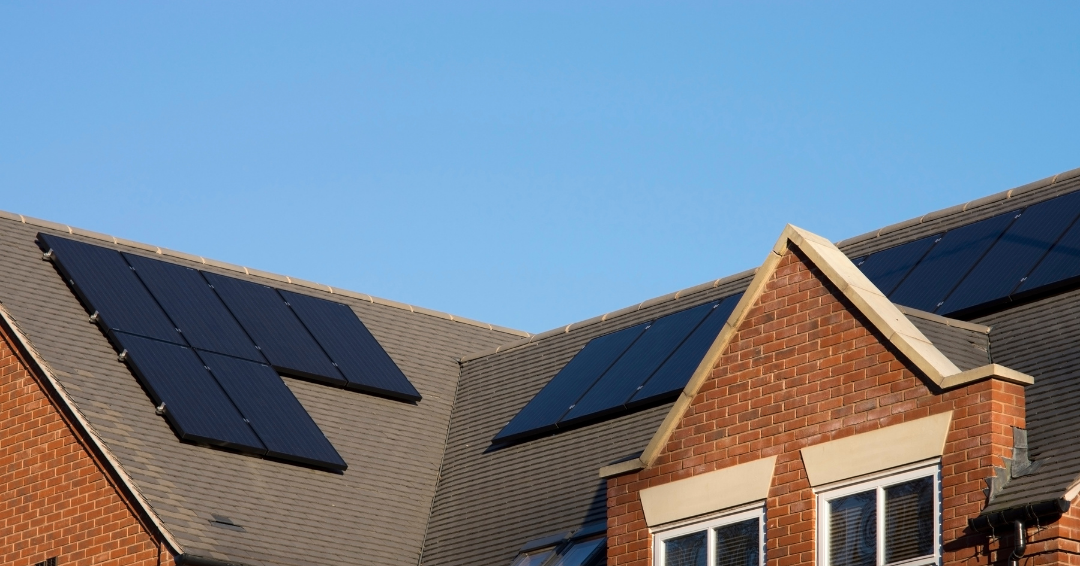
The Environmental Benefits of Solar Energy
Discover how solar panels help reduce carbon emissions, cut reliance on fossil fuels and create a greener home.
From recycling more to being a little more mindful about how much energy we use, there are plenty of little ways to make our homes more environmentally friendly. But what if you could make a difference simply by changing how you generate your electricity? Well, that’s exactly where solar panels come in.
By using daylight to generate electricity for your home, solar panels are a great way to reduce your environmental impact without completely changing your day-to-day routine. You can still make a cuppa, stick the washing machine on and enjoy all of the usual home comforts, just with more of your electricity coming from a renewable source.
So, what exactly makes solar energy better for the environment, and how can it help you create a greener home? Let’s take a look.
What Makes Solar Energy Better for the Environment?
Unlike fossil fuels, such as coal, solar energy comes from a renewable source (the sun). Solar panels capture daylight and convert it into electricity, which you can use to power appliances, lighting and other electrical essentials around your home.
The biggest difference? How that electricity is generated. Burning fossil fuels releases greenhouse gases, including carbon dioxide, into the atmosphere. These gases contribute to climate change and rising global temperatures.
Whereas solar panels generate electricity without burning fuel. In fact, they don’t produce any greenhouse gases, meaning they generate clean, renewable electricity with zero emissions. Unlike fossil fuels, solar panels generate energy from a natural resource.
And don’t worry, you don’t need endless sunshine to benefit. Solar panels can generate electricity even on cloudy days, which makes them a practical option for homes across the UK.
1. Reduce Your Carbon Footprint
One of the biggest environmental benefits of solar energy is its potential to reduce your household’s carbon footprint. Most homes rely on electricity from the grid, which uses a mix of energy sources, including renewables and fossil fuels. But when you generate your own electricity, you reduce the amount you need to draw from the grid.
The more solar electricity you produce and use directly at home, the less you may need to rely on electricity generated from fossil fuels. Over time, this can help reduce the amount of greenhouse gas emissions associated with your household’s energy use.
Of course, the exact environmental benefit will depend on factors such as your home’s energy consumption, the size of your solar panel system and how much electricity you use while your panels are generating power.
Want to find out how solar could work for your home? Book a free solar consultation with our team and discover what a system tailored to your home could look like.
2. Reduce Reliance on Fossil Fuels
Whether we’re charging our phones, cooking dinner, putting the washing on or catching up on our favourite programmes, we all use electricity throughout the day. Traditionally, though, much of our energy has come from burning fossil fuels, which are finite resources and contribute to climate change.
But solar energy gives households another option. By generating electricity from daylight, solar panels help reduce demand for electricity from the grid. And when more homes and businesses generate renewable electricity, it can help support the wider transition away from fossil fuels.
Adding a battery to your solar panel system can also help you make much better use of the electricity you generate. Instead of using all your solar power straight away, you can store some of the excess, which can then be used later, such as in the evening when your panels aren’t producing as much electricity. It’s a super simple way to get more from the energy your rooftop generates.
Curious about solar panels and battery storage? Book your free solar consultation today and explore the options available for your home.
3. A Cleaner Source of Electricity
Not only do solar panels help to reduce carbon emissions, but they can also help to reduce some of the wider environmental impacts that are associated with conventional electricity generation.
Solar panels don’t require a constant supply of fuel to keep producing electricity. Once you have solar installed, your panels will use the daylight available to generate power. As we mentioned above, you don’t need to burn fossil fuels to produce electricity, making them a much greener choice, not just for your home, but for the environment too.
Solar panels can provide a long-lasting source of renewable electricity. In fact, our systems last for at least 30 years, meaning you can generate clean, green energy for decades.
4. Solar Energy and a More Sustainable Future
Making your home more sustainable doesn’t have to mean changing everything overnight. Sometimes, it’s about making small but practical choices, and solar panels are one way to do just that. They allow households to generate renewable electricity on their own rooftops, reduce their reliance on grid electricity and lower the amount they pay for their electricity.
And as the UK continues to push towards its 2050 target of achieving net zero, generating more renewable electricity will play an important role in doing just that. Homeowners who install solar can contribute to that shift while making better use of the space on their rooftop they already have.
And the benefits don’t have to stop at solar panels. Pairing them with battery storage, using energy-efficient appliances and making small changes to when you use electricity can help you get even more from your system.
But don’t worry, there’s no need to do everything at once. A few well-chosen improvements can be a great place to start.
5. What Can You Do to Make Your Home Greener?
If you’re looking to make your home more environmentally friendly, here are a few practical top-tips worth considering:
Install solar panels. Generate your own renewable electricity and reduce your reliance on grid power.
Consider battery storage. Store surplus solar electricity so you can use more of it when you actually need it, such as later in the day.
Choose energy-efficient appliances. Look for efficient models when replacing your washing machine, fridge or other household essentials.
Use electricity wisely. Where practical, run appliances such as washing machines and dishwashers during the day when your solar panels are generating electricity.
Improve your home’s insulation. Keeping heat inside during winter can reduce the energy needed to keep your home comfortable.
If you’re wondering whether solar panels are right for your property, we’re here to help. Book your free solar consultation today to find out how solar could fit into your plans for a greener home.
A brighter future starts at home
Solar energy offers a really practical way to reduce the environmental impact of your household electricity use. Not only do they help to lower carbon emissions, but they also help to reduce reliance on fossil fuels, meaning solar panels can make a real contribution to a cleaner, more sustainable energy system.
Ready to see what solar could do for your home? Get in touch today to book your free solar consultation. We’ll help you explore your options and work out the next steps towards cleaner energy