What Does Net Zero Mean?
You’ve probably heard of net zero, but what does it actually mean, and why is it so important? Read our blog as we break it down.
It’s safe to say that you’ve most probably heard the phrase “net zero” quite a lot in recent years. It seems to be everywhere. On the news, in conversations about climate change, and when people talk about the future of energy. But what does net zero actually mean?
The goal isn’t necessarily to produce absolutely zero emissions. Instead, the idea is to reduce emissions as much as we possibly can and then balance out what remains.
To put it simply, net zero means reducing the amount of greenhouse gases we put into the atmosphere and balancing out any emissions that are left.
It’s a big goal. From governments and businesses to individual households, we all have a part to play in creating a cleaner, more sustainable future.
So, why has net zero become such a major focus, and what does it actually mean for your home?
Let’s take a look.
Why Has Net Zero Become a Global Mission?
The world's temperature is rising, and one of the biggest reasons for this is the amount of greenhouse gases being released into the atmosphere. A large proportion of these emissions come from burning fossil fuels such as gas, oil and coal to produce energy.
The more greenhouse gases that slowly build up in the atmosphere, the bigger their impact on our climate. This can then contribute towards rising temperatures, a change in weather patterns and more extreme weather events.
That’s why countries around the world are working towards reducing their emissions.
Net zero is essentially about changing the way we live and the way we produce energy, so we can significantly cut emissions and move towards a more sustainable future. And while it might sound like a huge challenge (because it is), there are plenty of changes happening much closer to home too.
What is the UK Doing to Achieve Net Zero?
The UK has set a target of reaching net zero by 2050. Hitting that target will require some pretty significant changes to the way the country produces and uses energy. We’re already seeing this happening in a number of ways. Renewable energy is becoming a much bigger part of the UK’s energy mix; electric vehicles are becoming a more common sight, with around 30% of new car sales in the UK being EVs, and there is a real growing focus on making homes and buildings more energy efficient.
Solar power is another important part of the picture.
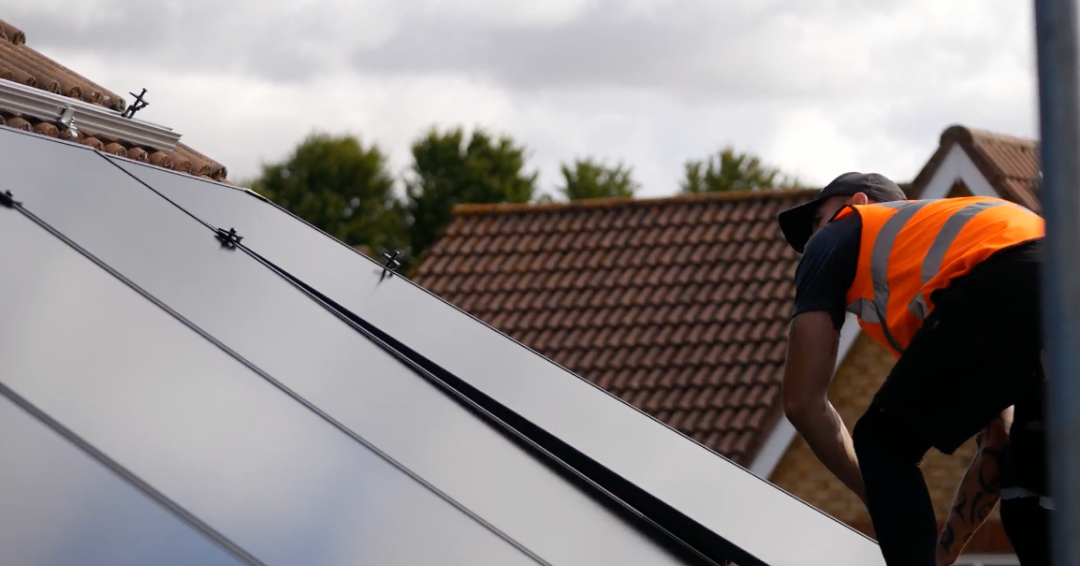
Over recent years, the UK has been installing more and more solar panels. From large-scale solar farms to panels on homes and businesses. The aim is to increase the amount of clean, renewable electricity being generated across the country. And luckily, that’s something homeowners can get involved with too.
Want to see whether solar could work for your home? Book your free solar consultation today and speak to our team about your options.
Why is Net Zero So Important?
At its heart, net zero is about protecting the planet for our future.
Reducing greenhouse gas emissions can help us tackle climate change and reduce our reliance on fossil fuels. It also gives us the opportunity to build a cleaner, more sustainable energy system. But there are benefits beyond the environment too.
Generating more energy from renewable sources not only reduces our reliance on fossil fuels, but also makes the way we produce energy more sustainable in the long term. For homeowners, it can also be an opportunity to take more control over where their energy comes from.
Instead of entirely relying on electricity from the grid, solar panels allow you to generate your own renewable electricity at home.
How Are Other Countries Working Towards Net Zero?
The UK isn’t the only country working towards achieving net zero. Countries all over the globe are setting their own targets and investing in renewable energy, cleaner transport and more energy-efficient homes and businesses.
Of course, every country is approaching the challenge slightly differently, and some have set different targets and timescales.
But the overall goal remains the same: reduce emissions and create a cleaner, more sustainable future.
The growth of renewable energy is one of the biggest changes we’re seeing as part of this transition, with solar and wind power becoming increasingly important around the world.
How Do Solar Panels Help with Net Zero?
This is where things get particularly interesting for homeowners.
Say hello to solar panels.
Solar panels generate electricity from daylight (not just sunlight - that’s a myth). Unlike traditional energy generation that relies on burning fossil fuels, solar power produces renewable electricity without creating greenhouse gas emissions while generating that electricity. And therefore, don’t impact the environment.
When you have solar panels installed on your rooftop, you can generate some of your own electricity rather than buying it all from the grid. And the more renewable energy you generate, the less you’ll need to rely on fossil fuels. Need we go on?
Solar power has also become increasingly popular across the UK. Panels are popping up left, right and centre all over rooftops on all sorts of properties. Family homes, new builds, schools, office buildings, larger commercial buildings, and even the odd castle or two.
For homeowners, installing solar panels can therefore be a practical way to make your home more energy efficient while also doing your bit for a greener future.
Thinking about making the switch to solar? Book a free solar survey and find out what solar could look like for your home.
What Can You Do to Help with Net Zero?
It’s easy to hear about a target like net zero and think, “What can I actually do about it?”
Well, the good news is that you don’t need to completely change your lifestyle overnight. There are plenty of small things you can do around the home and in your everyday life that can help reduce energy use and emissions.
For example, you could:
-Turn off lights and appliances when you’re not using them.
-Use energy-efficient bulbs and appliances.
-Improve your home’s insulation to reduce heat loss.
-Be more mindful of how much energy you use at home.
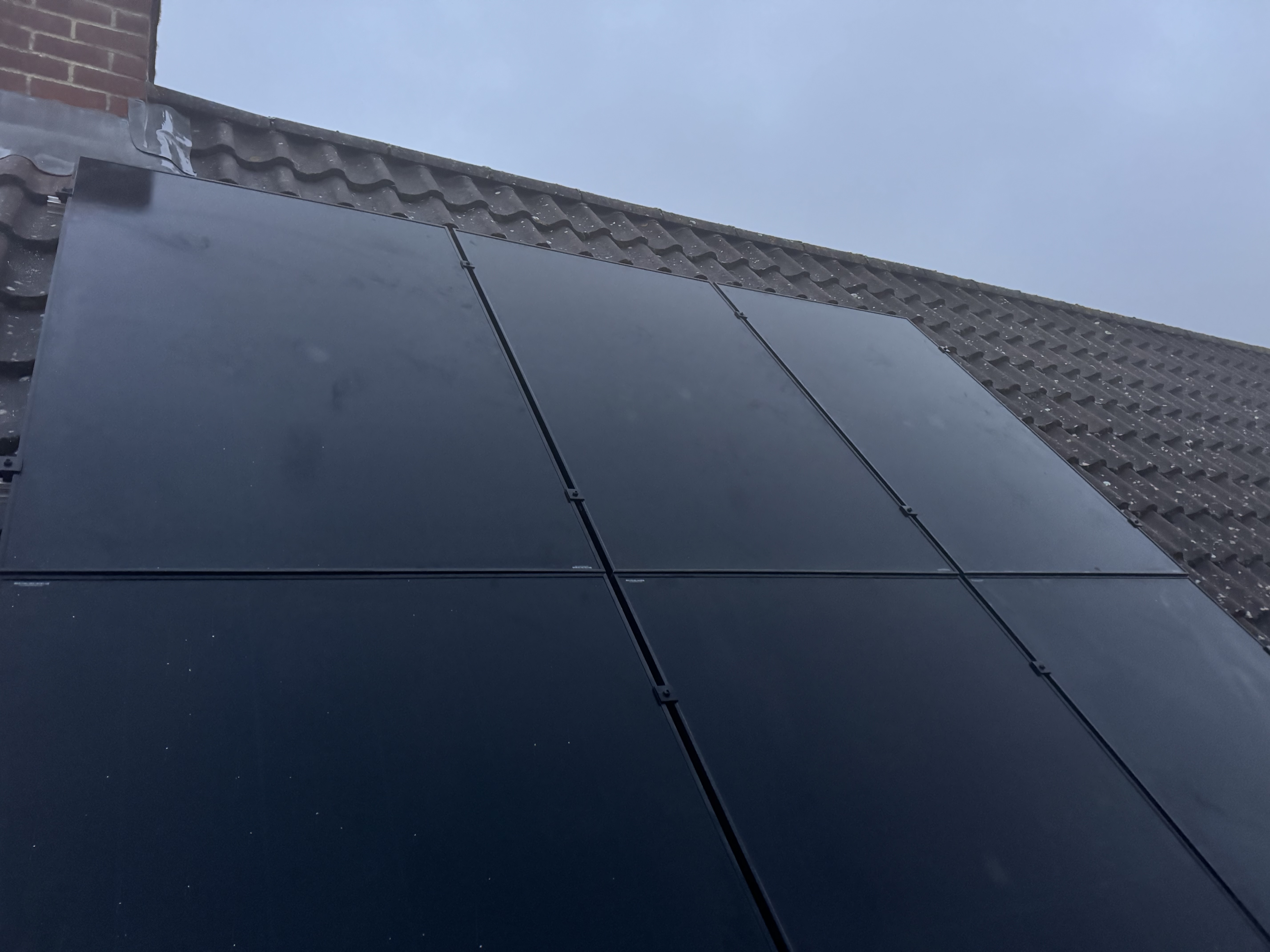
-Consider renewable energy, such as installing solar panels.
None of these changes has to happen all at once. Even small changes can make a difference when lots of people make them. And if you are looking for a bigger change, then generating your own renewable electricity with solar panels could be an excellent place to start.
Ready to Make Your Home a Little Greener?
Net zero might sound like a ginormous goal, but the basic idea is super simple: reduce emissions, use cleaner energy and create a more sustainable future. And this is where renewable energy, including solar power, has such an important role to play.
If you’ve been thinking about solar but aren’t sure whether it’s right for your home, why not find out? Book your free solar survey today and discover how solar panels could help you generate your own renewable energy.