
Smart Export Guarantee (SEG) Explained: How to Earn Money From Your Solar Panels
The Smart Export Guarantee is the UK scheme that pays you for unused solar energy you send back to the grid. Every licensed energy supplier above a certain size must offer an SEG tariff. Here is how it works and what to look for.
If you already have solar installed on your roof, you probably know that it can help reduce how much electricity you buy from the grid. But what happens when your panels generate more electricity than your home actually needs?
That’s where the Smart Export Guarantee (SEG) comes in. This scheme allows eligible households and businesses with renewable energy systems installed to earn money by exporting any unused electricity to the national grid.
In this guide, we’ll explain exactly how the Smart Export Guarantee works, who can apply, which energy suppliers offer SEG tariffs, and how much you could potentially earn.
What is the Smart Export Guarantee (SEG)?
The Smart Export Guarantee is a government-backed scheme that pays for electricity exported to the grid by eligible renewable energy generators. It was first introduced in 2020, when it replaced the previous Feed-in Tariff scheme for new applicants. The idea is fairly straightforward: if you generate clean, renewable energy and send some of it to the grid, you can receive payment from an energy supplier for the electricity you export.
This scheme is mainly associated with solar panels, but other renewable technologies can also qualify. The amount of money you receive in exchange for your electricity depends on the SEG tariff you choose and how much electricity you export.
How Does the Smart Export Guarantee Work?
The process is simple! Your solar panels generate electricity throughout the day. Your home uses this electricity first to power appliances, lighting and other household needs. If your panels produce more electricity than you’re using in that moment, the surplus can be exported to the national grid. Your SEG-registered energy supplier then pays you for any electricity you have exported, based on the rate offered by your chosen tariff.
Let’s say your solar panels produce 20 kWh of electricity on a particularly sunny day. Your household uses 12 kWh of that electricity, leaving 8 kWh that isn’t being used at the time. That remaining 8 kWh can then be exported to the grid, and you’ll receive a payment based on your supplier's SEG export rate.
The exact amount you’ll earn depends on your tariff. Some suppliers offer a set rate for every unit they have exported, while others may use variable or time-based rates.
Who is Eligible for SEG?
The Smart Export Guarantee is available not just to homeowners, but businesses and other organisations too. Provided their renewable energy installation meets the relevant requirements, they can also benefit from the scheme.
Eligible technologies can include:
Solar photovoltaic (PV) panels
Wind turbines
Hydroelectric systems
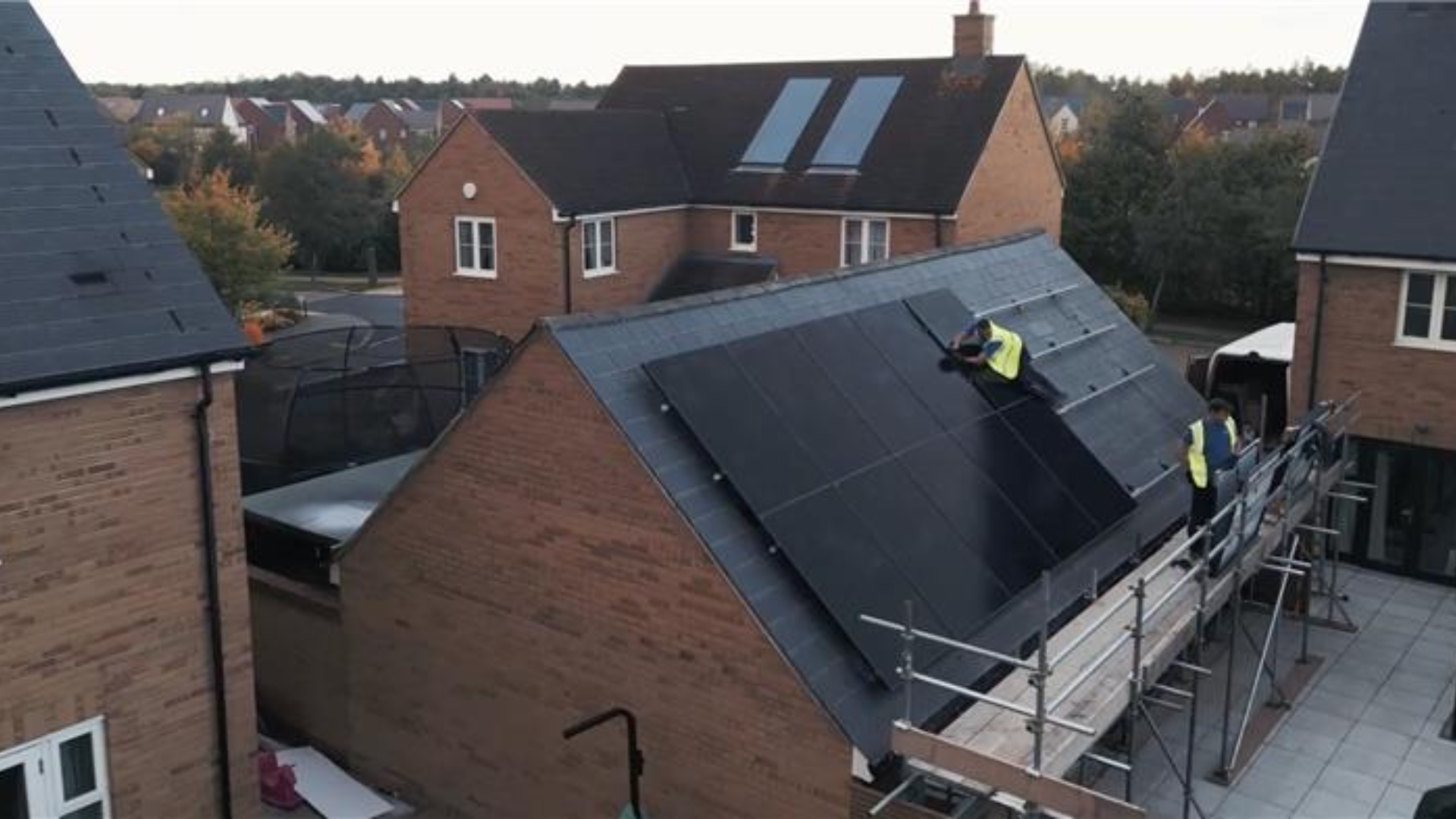
For the majority of small-scale solar installations, one of the key requirements is that the system must be installed by a Microgeneration Certification Scheme (MCS); SkyGlo is MCS approved, so you will be able to receive SEG payments from one of our installs.
You’ll also need a smart meter that can provide the half-hourly export readings required to calculate your payments. It’s worth checking the exact requirements with your chosen SEG supplier before applying, as individual suppliers may have additional conditions.
All of our installers are MCS certified, meaning you can relax knowing your solar panel system will not only be installed with the highest-quality solar panels, but also with the highest-quality care and precision. Looking to make the move towards green energy? Book your free solar consultation today.
Which Energy Suppliers Offer SEG?
Fortunately, all of the UK’s larger energy suppliers offer Smart Export Guarantee tariffs, although the rates and terms can differ considerably. Some suppliers offer fixed rates, meaning you receive the same payment per unit of electricity exported. Other suppliers may offer variable or time-dependent tariffs, which could pay more when electricity is in greater demand. This means it can be worth comparing your options before choosing the company that supplies your household electricity. Depending on your circumstances, the best export tariff may be with a different supplier.
How Much Can You Earn With The Smart Export Guarantee?
When it comes to earning through the SEG scheme, there’s no single figure that applies to every solar panel owner. Your potential earnings depend on several factors, including the size of your solar system, how much electricity it generates, how much you use yourself and the export tariff you’re paid. Your household’s energy habits also make a difference. A family that uses lots of electricity throughout the day will probably export relatively little, while a home that’s empty for much of the day could have more surplus electricity available to send to the grid.
Battery storage can also change the overall picture. Let’s say for example your solar panels generate 4,000 kWh of electricity in a year. If you use 2,500 kWh directly in your home, around 1,500 kWh could potentially be available to send back to the grid. If your SEG tariff pays 10p per kWh, exporting the surplus 1,500 kWh could generate you £150 in SEG payments.
In reality, your figures could be higher or lower depending on your solar generation, energy usage, battery storage and tariff.
Book your free solar consultation today to start your journey towards lower energy bills.

Can Battery Storage Increase Your SEG Earnings?
If you want to make better use of the electricity your solar panels generate, a home battery can help. Instead of exporting surplus electricity immediately, a solar battery can store it during the day. Later in the evening when your panels aren’t producing much electricity, you can use that stored energy rather than buying electricity from the grid.
However, there is a balance to consider. If you use more of your solar electricity yourself, you’ll export less and therefore receive fewer SEG payments. Though that isn’t necessarily a bad thing. Avoiding the cost of buying electricity from the grid can often be more valuable than exporting it for a relatively low SEG rate. Some smart tariffs may also offer more attractive export rates at certain times, so a battery could potentially give you greater flexibility over when you export electricity.
How to Apply For the Smart Export Guarantee
Applying for SEG is generally a simple process:
1. Install an eligible renewable energy system using an MCS-certified installer where required.
2. Make sure you have a suitable smart meter capable of providing the necessary export readings. (Remember, your meter must be able to track the energy you export every half an hour!)
3. Choose an SEG supplier and compare the available export tariffs.
4. Apply directly to your chosen supplier, providing details and evidence about your installation.
5. Start receiving payments for the eligible electricity you export to the grid.
Be sure to keep your installation paperwork and certification documents handy, as your supplier may ask for them during the application process.
Is the Smart Export Guarantee Worth It?
For the majority of solar panel owners, the Smart Export Guarantee is a useful extra benefit, but it’s not usually the main reason to install solar panels. The biggest financial advantage of solar is often the savings on energy bills. SEG does add another potential source of income by allowing you to earn from the electricity you don’t use.
The main benefits are that you can earn money from your surplus electricity, reduce renewable energy waste, improve the overall return on your solar investment and support the wider transition to cleaner energy.
There are also a few downsides. SEG rates vary between suppliers and can change over time, and exporting electricity generally won’t be as valuable as using your solar generation yourself to avoid buying electricity from the grid. That’s why SEG works best alongside efficient energy use.
So, what is the Smart Export Guarantee?
The Smart Export Guarantee gives homeowners and other eligible renewable energy generators a way to earn money through the electricity they don’t use. Solar panels can already help reduce your electricity bills, and with SEG, any suitable surplus electricity you export to the grid can provide you with an additional financial benefit.
So, if you’re considering solar panels, it’s worth looking at the potential savings from self-consumption as well as the income you could earn from exporting electricity. Compare SEG tariffs to find an approach that works for your home and energy usage. If you want to start your solar journey and produce your own energy, book your free solar consultation today to speak to one of our team of certified installers.