
Which Household Appliances Use the Most Electricity?
Find out which household appliances use the most electricity, how to cut your energy bills and how solar panels can help you save at home.
Have you ever put a load of washing on or popped the kettle on for a cuppa without giving a second thought to how much it all costs? Well, you’re certainly not alone.
With the cost of living still rising, energy bills are something many of us are keeping a much closer eye on. And while using household appliances is a necessity, knowing which appliances use the most electricity can help you make smarter choices around the house.
The good news? You don’t have to change your entire routine to make a difference. A few small changes, combined with a more energy-efficient home, might just help bring those bills down.
So, let’s take a look! Which household appliance uses the most electricity? And could solar panels help you spend less on energy?
Washing machines, tumble dryers and dishwashers
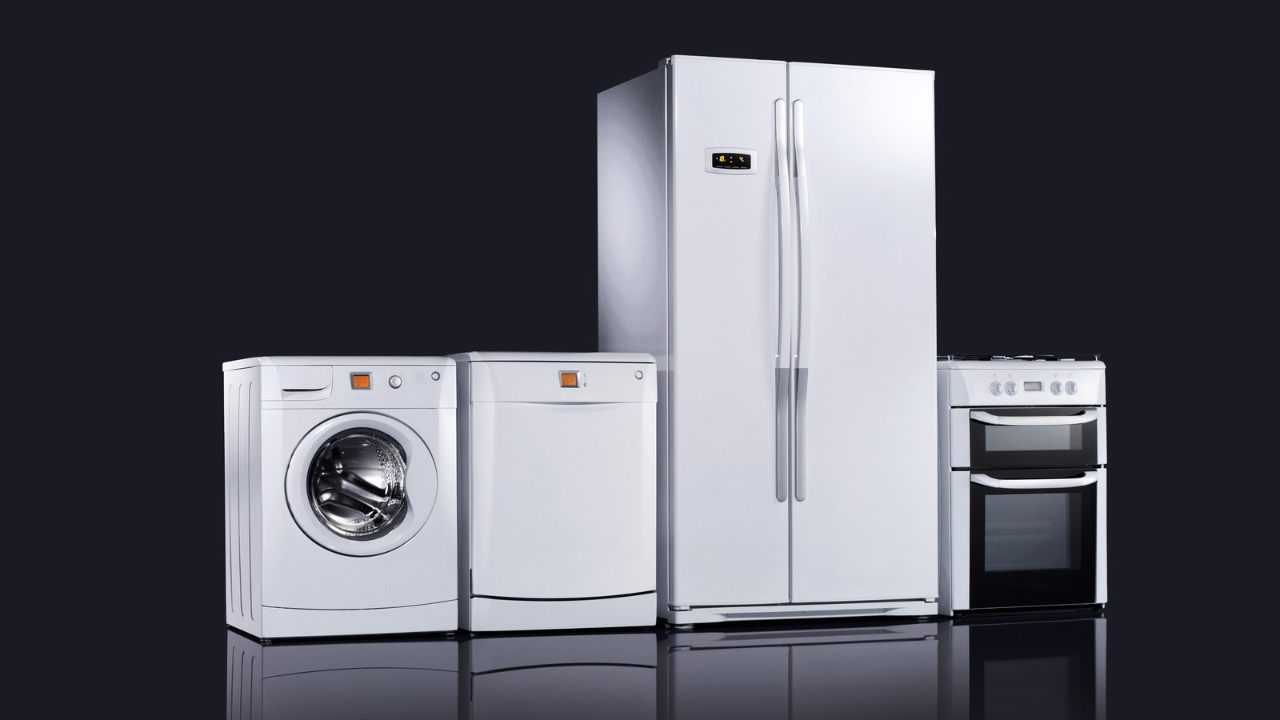
If there’s one place to start when looking at your household energy use, it’s these three. Tumble dryers are particularly energy-hungry, especially older models. Washing machines also use electricity to heat water, while dishwashers need energy to heat water and dry your dishes.
Try eco settings where possible, and run fewer, larger loads to use less electricity and water, instead of running multiple small or half-empty loads (be careful not to overload!)
Thinking about solar? Book a free solar survey with our team to find out how solar could work for your home.
Fridges and freezers
Your fridge-freezer runs around the clock, so its energy use can soon add up. Older models tend to be less energy-efficient, so, next time you replace these appliances, check the appliance’s energy rating. Energy ratings for fridges and freezers use a scale from A to G to show how much electricity an appliance uses compared to its size and storage volume (A is the best, as it uses the least amount of energy, and G is the worst, as it uses the most amount of energy.)
Ovens, microwaves and kettles
Electric ovens can use a fair amount of electricity, particularly when they’re on for long periods. They typically use more electricity per use compared to microwaves, as they tend to run for longer and heat a larger space.
Fancy a brew? When you make a cuppa, you’re probably not thinking about electricity when you flick the kettle on. However, kettles can use a fair amount of power in a short burst, especially if you’re boiling more water than you need.
TVs, laptops and game consoles
These devices generally use less electricity individually compared to larger appliances around the house. But leaving them running for hours or using several screens around the house can gradually add to your bills. Try switching devices off when you’re finished.
If you work from home, charging laptops and powering monitors throughout the day can also add to your usage. This is where solar can be particularly useful, as you can use the electricity your panels generate while you’re working.
Lighting
Lighting is generally one of the easiest areas to tackle. Where possible, try to switch to LED bulbs. They tend to last longer, and they’re more energy efficient compared to halogen and incandescent bulbs, as they use significantly less electricity to run.
Top tip! Get into the habit of switching lights off when you leave a room too. It’s a small habit that can help you use your energy better, and potentially help you save on your energy bills.
How Can Solar Panels Help Reduce Your Energy Bills?
Here’s where things get interesting.
Rather than buying all of your electricity from the grid, solar panels let you generate your own electricity from daylight. That electricity can then be used to power everyday appliances, from washing machines, fridges, laptops, kettles and lighting. When your panels are generating electricity, you can use it directly in your home instead of buying as much from your energy supplier.
Using more of your solar electricity as it’s being generated right on your rooftop can help you make better use of your system. A home battery can take this a step further by storing surplus energy for later, such as in the evening when you’re cooking dinner, flicking on the lights or charging your EV (if you have a compatible setup).
Of course, your potential savings depend on several factors, like your system size, when you use your appliances and your electricity use.
Curious whether solar is right for your home? Book a free survey today to explore your options and start your journey with solar.
Small changes can make a big difference!
Appliances around the house can all contribute to your electricity bills, whether it’s popping the kettle on, cooking up a storm or putting on a load of washing, but understanding where your energy goes is a great place to start.
Combine a few simple habits with solar panels, and you could make your home more energy-efficient while reducing the amount of electricity you need to buy from the grid.
Want to find out whether solar could help lower your household energy costs? Get in touch today to book your free solar consultation.